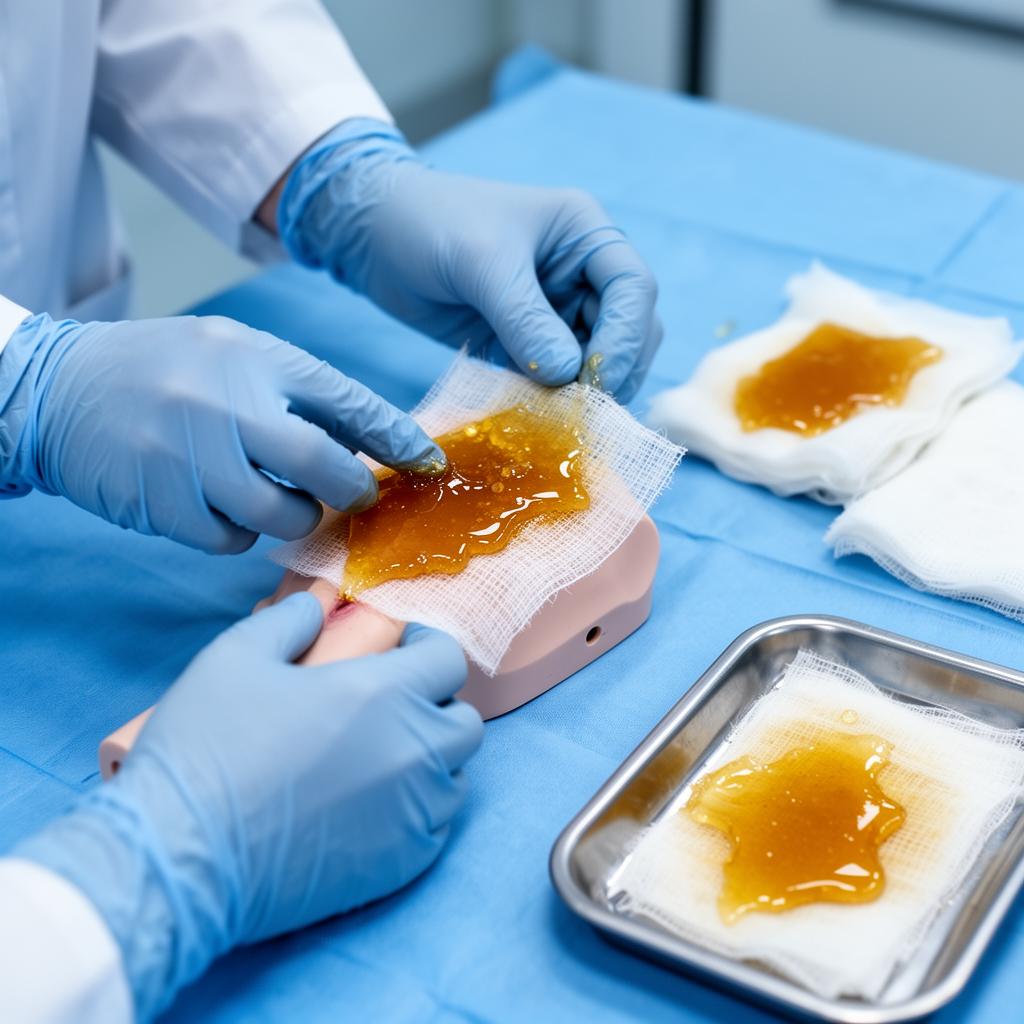
Plate II
Wound care
Diabetic foot ulcers, burns, post-surgical and chronic wounds. The largest evidence base — and the home of the BNF formulary listings.
MGH™ — advising companies on the use of medical grade honey in regulated and premium products.
MGH™ is a unique quality standard developed by our team for honey used in regulated and premium products. We advise manufacturers, formulators and brand owners across wound care, OTC, cosmetics and veterinary on sourcing, testing and specification — with the traceability and evidence their dossiers and shelves demand.
Proud of our standard — happy to work with product developers.
13+
Years inside the category
$2.6B
Forecast market by 2034
9.1%
CAGR through 2034
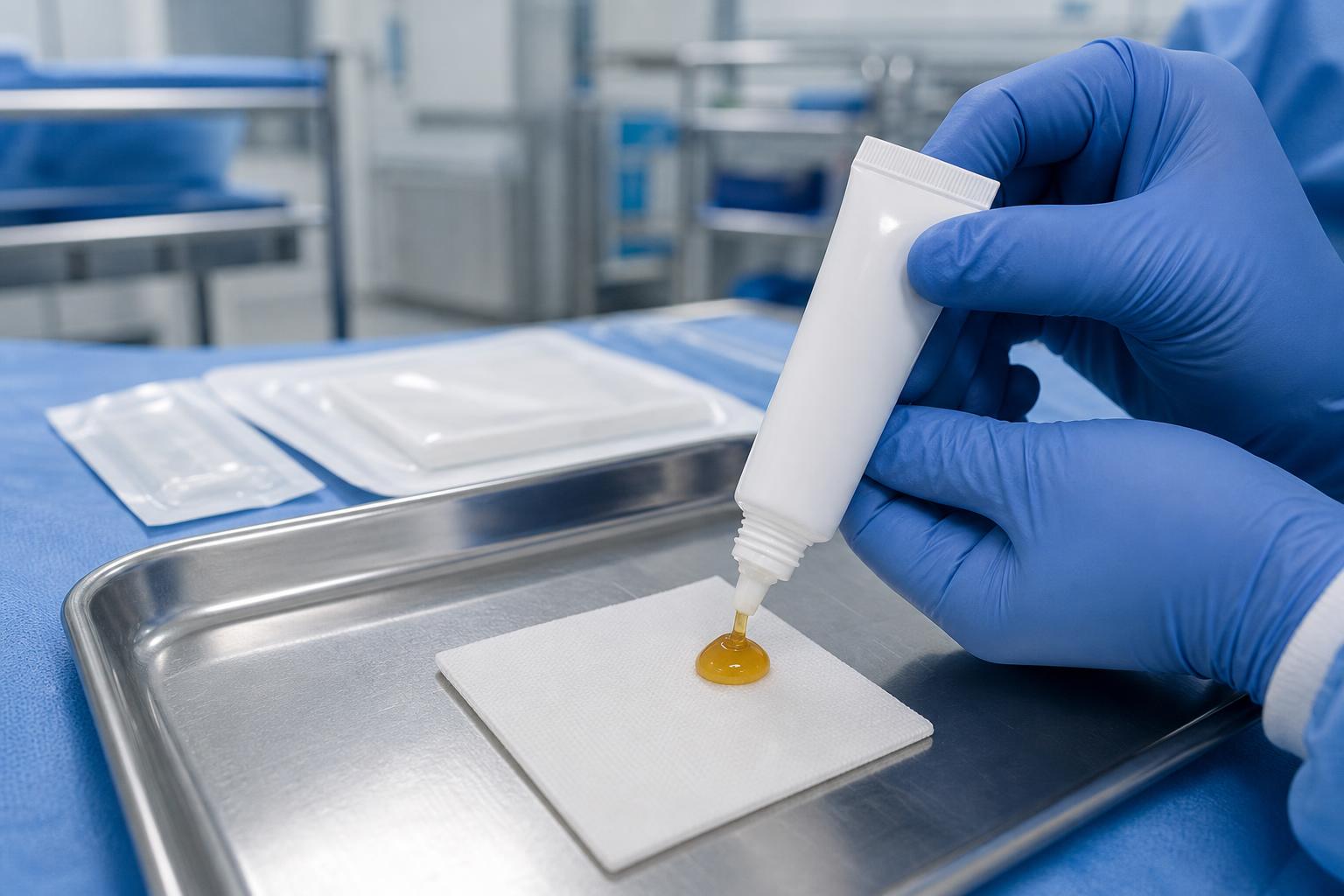
A single-subject reference
"Manuka leads the medical-grade category — but a peroxide-active or polyphenol-rich honey, properly processed, can earn the same shelf."
Start here
No sign-up, no gate. Every answer links to the evidence behind it.
What actually makes honey “medical grade”?
Sourcing, testing, sterilisation and a regulatory file — not a flower or a brand.
Read the answerIs honey used in hospitals?
Yes — sterile honey dressings, on burns, ulcers and stalled wounds.
Read the answerCan I get honey dressings on the NHS?
They are in the Drug Tariff. Here's who prescribes them and how.
Read the answerIs the honey I bought medical grade?
We audit 11 well-known brands against the same five checks.
Read the answerDoes it work on a real wound?
Dave's MRSA finger, photographed week by week over months.
Read the answerWhere's the research?
Hundreds of references, organised and free to read.
Read the answerThe standard
MGH™ takes therapeutic honey — Manuka, Jarrah, Sidr, Heather and other qualifying varieties — from food ingredient to controlled, tested, documented material ready for advanced wound care, cosmetics, veterinary and specialist sectors.
Read the full MGH storyStart here
MGH™
Base Standard
Non-negotiable · every batch
+ add-ons
+ add-ons
01
Additional Testing
Bioburden, endotoxin, residue and pharmacopoeial-aligned panels.
02
Extra Processing
Filtration, conditioning and handling matched to your specification.
03
Sterilisation Support
Gamma-compatible spec and validated post-sterilisation activity.
04
Regulatory Support
Dossier-ready documentation for MDR, 510(k), cosmetic and veterinary files.
One-stop-shop
MGH covers it end-to-end — from sourcing through to research & development, testing and regulatory support.
Varieties
Any honey with a credible therapeutic profile can qualify. The varieties below carry distinct activity markers — and each has its own evidence base for advanced wound care, cosmetics, OTC and veterinary use.
See all varietiesNew Zealand · Australia
Manuka
MGO — non-peroxide activity
Read about ManukaWestern Australia
Jarrah
TA — high peroxide, low GI
Read about JarrahYemen · Middle East
Sidr
Ziziphus spina-christi
Read about SidrUK · Northern Europe
Heather
Polyphenol-rich, thixotropic
Read about HeatherMalaysia · SE Asia
Tualang
Multifloral, peroxide-active
Read about TualangEurope · N. America
Buckwheat
Polyphenol-dense, dark
Read about Buckwheat"Supported by systematic reviews and meta-analyses, medical-grade honey was identified as the most potent and all-round wound care product compared to the others."
The category in numbers
The global medical-grade honey market is on a credible doubling trajectory — driven by chronic-wound prevalence, antimicrobial resistance, and a measurable consumer return to nature-derived, evidence-backed therapeutics across Manuka, Jarrah, Sidr, Heather and other therapeutic varieties.
Chronic wounds & diabetes
537M+ adults with diabetes today, projected 780M+ by 2045 (IDF). 15–25% lifetime DFU risk; chronic wounds cost the US system >$96B/year.
Antimicrobial resistance
AMR drives ~1.27M deaths/year globally. Honey's multi-mechanistic action is structurally hard to resist — endorsed in WUWHS and EWMA wound-care guidelines.
The shift to natural
$65B+ global natural-health products market in 2025. Premium NPA / MGO Manuka brands now command pharmacy and DTC shelf space across skin, throat and gut.
Where it shows up
Plate II
Diabetic foot ulcers, burns, post-surgical and chronic wounds. The largest evidence base — and the home of the BNF formulary listings.

Plate III
MGO/DHA quantification, sterility validation and stability under accelerated storage. Where claims are won or lost.
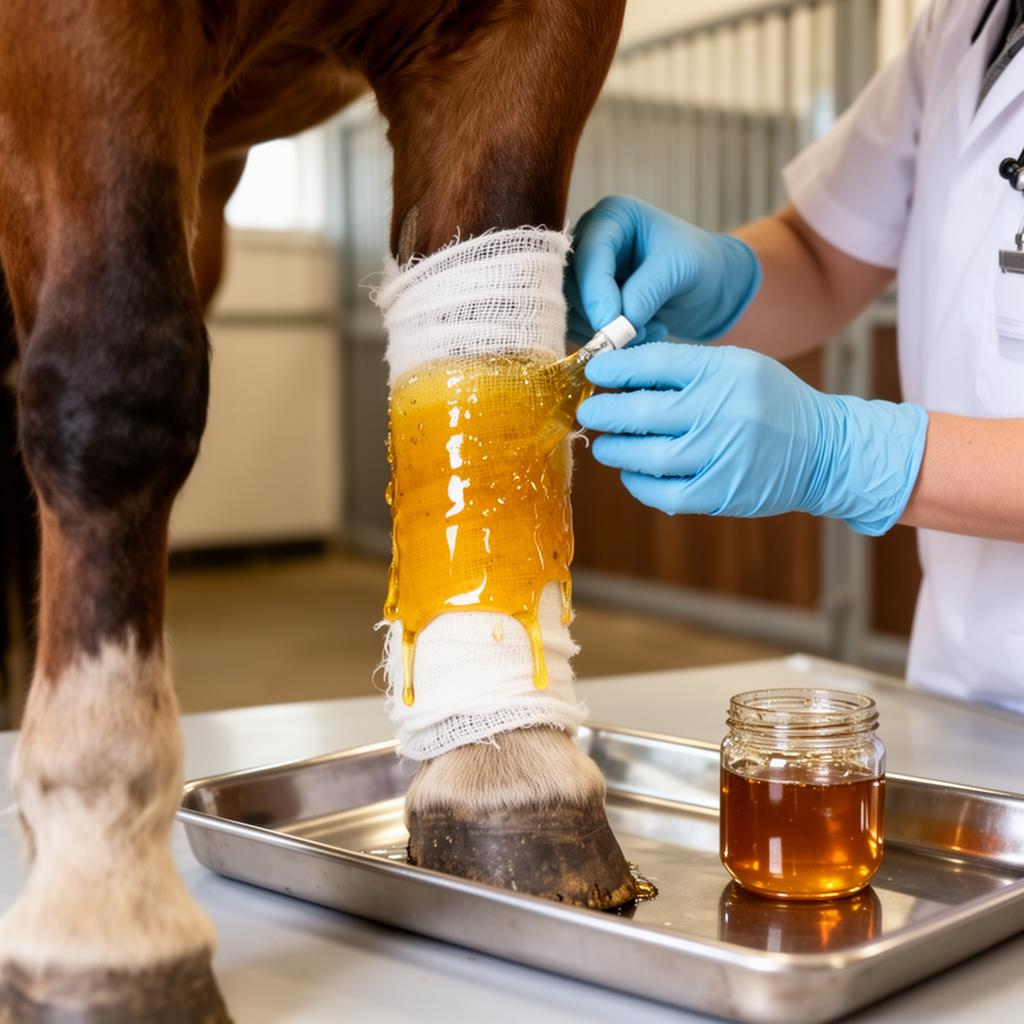
Plate IV
Equine, companion animal and livestock topical applications. A quietly serious market with its own formulary discipline.
Sister company · bulk sourcing
Need the honey itself? BulkHoneyCo.com handles verified bulk Manuka with MGO/DHA spec, COAs and origin traceability — same team, same standards.
Get in touch
Contact us for information or advice on Medical Grade Honey — Manuka or otherwise. Chemistry, evidence, specification or sourcing.
Contact usFrequently asked
The questions clinicians, formulators and buyers ask most often. Longer answers — and the references that sit behind them — live in the articles and science sections. Patients and carers should start with our medical honey patient guide.